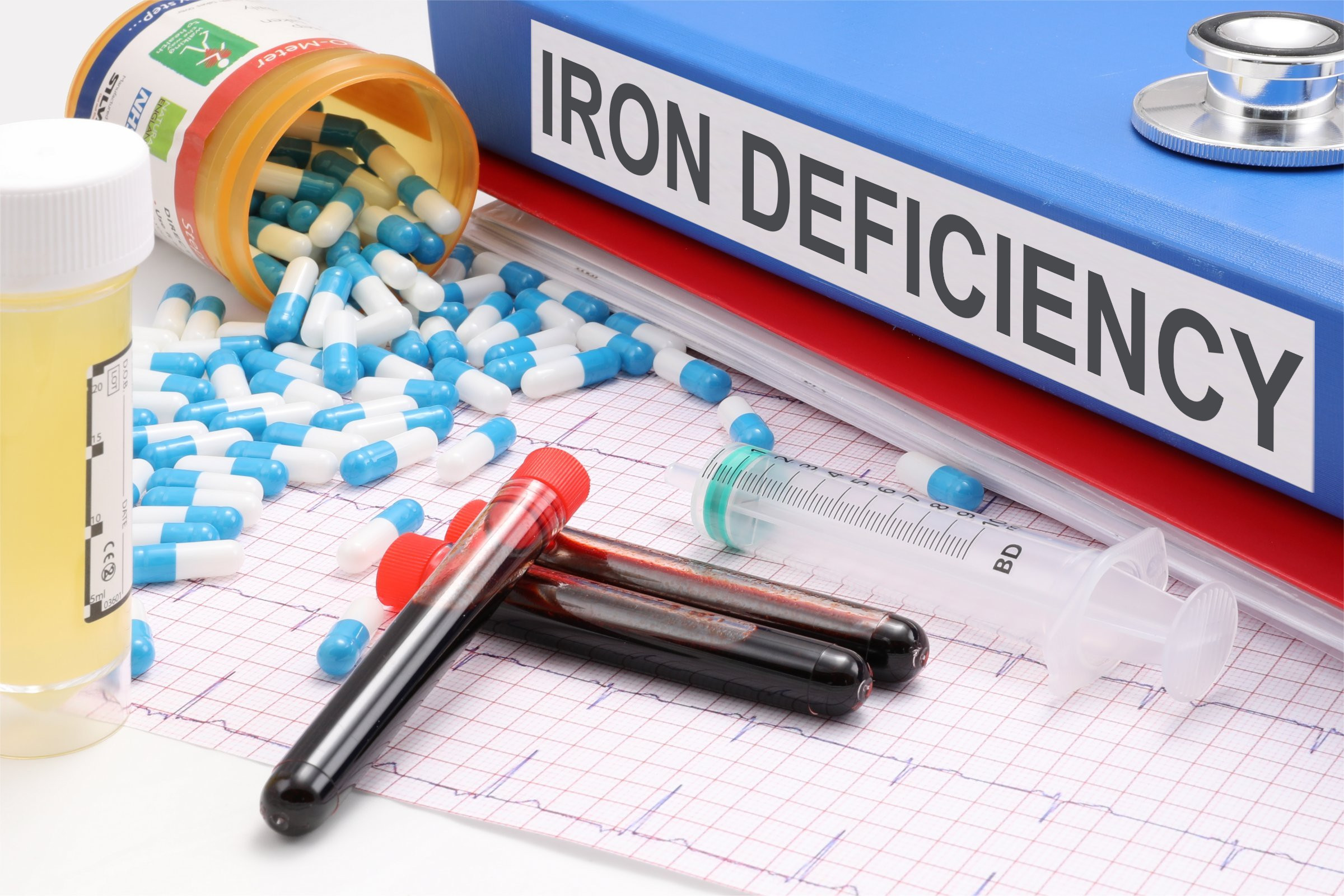
After your iron-deficiency is confirmed, you may be panicking about your condition. But hey, please do not. You can get to understand your symptoms and what would help better your status. Iron is a necessary micro-nutrient that, in addition to aiding in the maintenance of healthy hair and epithelium (skin), aids in the formation of hemoglobin, a protein found in red blood cells that carry oxygen, through the blood, around the body. Iron deficient patients have difficulty generating enough healthy RBCs, which leads to tiredness, shortness of breath, and other symptoms of fatigue.
But What Are The Reasons Behind the Deficiency?
The good thing about knowing the causes of the iron deficit is that it can easily be corrected back to the normal levels. There are two main reasons why your body does suffer from iron deficiency. It is either that you have very low iron intake, or your body does not do good in iron absorption.
Your body can absorb more iron when it is consumed in several smaller doses rather than a large one. Make sure your diet contains iron elements. Such foods include red meat, salmon, tuna, molasses, and liver meat. While iron may be found in tofu, dried fruits, and spinach, plant-based iron is not as easily absorbed as iron from meat and poultry. Combining vitamin C alongside your diet improves non-heme iron (in plant food) absorption. Try adding oranges, kiwi, grapefruit, broccoli and cauliflower.
Tannins, which are found in tea and coffee (even the decaf), interfere with absorption, so if you’re trying to build your body’s iron stores, drink tea or coffee at least a couple of hours either prior to or after your meal.
Even if you’ve identified the cause of your iron deficiency and are treating your condition via diet, you may still need to take iron orally or intravenously. Iron supplements are usually taken three times per day, with most people needing to take 150 to 200 mg of elemental iron daily.
To Conclude
Iron is a crucial mineral that is required for your body to function properly. It comes in two varieties: heme and non-heme. Meat, fish, and poultry all include the heme form, which your body may easily absorb. Non-heme iron is found mostly in plant foods, but it is more difficult for your body to absorb. You may enhance your body’s absorption by consuming foods high in vitamin C, vitamin A, and animal meats. Iron absorption can be hampered by meals high in phytates (cereals and grains), calcium (milk and dairy), and polyphenols (tea and coffee).
By carefully selecting the foods you eat and knowing how certain foods can enhance or inhibit absorption, you can make sure you’re getting the iron you need, and restore your health to its best form.
 UpToday